

Welcome Back to the Wedding Edit! Today, we visit the age-old tradition of the rehearsal dinner and see how far it has evolved. The wedding ceremony and reception are the main event, but the Rehearsal Dinner is arguably the heart of the entire celebration. It’s the moment the nerves settle, the families truly connect, and the wedding party receives their final marching orders—all over a memorable meal.
Far from being a stuffy, obligatory gathering, the modern rehearsal dinner (often rebranded as a “Welcome Party” or “Kickoff Dinner”) is the ultimate opportunity for the couple to shed their planning stress and personally thank the people who supported them most. For 2026, the trend is moving toward personalization, budget consciousness, and maximum fun.
Here is your essential guide to planning a memorable and strategic wedding rehearsal dinner.
1. Purpose
The fundamental purpose of the rehearsal dinner has always been twofold: logistics and gratitude.
The Logistics – Rehearsal
The dinner must follow the formal rehearsal of the wedding ceremony. This is when the officiant, wedding party, and often the parents practice walking, timing, and positioning. The meal provides a necessary transition and relaxation period immediately following that focus.
The Gratitude – The Dinner
This event is traditionally the time for the couple (or the host, often the groom’s parents) to give heartfelt toasts, thank the parents and wedding party, and distribute meaningful gifts. It serves as a warm, intimate prelude to the larger main event.
The Guest List – Who Must Be Included?
While the guest list is flexible and heavily influenced by budget, certain individuals are non-negotiable for the rehearsal dinner. Naturally, this includes the Couple themselves, alongside their Immediate Families—parents, stepparents, and grandparents. The Entire Wedding Party must be present, encompassing the Bridesmaids, Groomsmen, Maid of Honor, Best Man, and any children involved, such as the flower girl and ring bearer. The Officiant should also be invited, especially if they are a personal friend or family member. Finally, and this is a crucial etiquette point, the Partners of Wedding Party Members must be invited. If someone is flying or traveling for the wedding, their spouse or long-term partner must be included in the invitation.
The Expanding Guest List – The Trend of the Welcome Party
A common trend, especially for destination weddings or events where many guests travel, is to expand the dinner into a “Welcome Party.” This wider circle may include out-of-town guests (often via a budget-friendly cocktail hour or dessert reception) and extended family members who are not in the wedding party. While this gesture is generous, remember that every extra person increases the overall cost, making the dinner the second most expensive event of the weekend.
2. Strategic Planning: Timing, Location, and Budget
The key to a successful rehearsal dinner is ensuring it contrasts successfully with the main wedding reception.
The Timing and Flow
The event should take place the night immediately preceding the wedding ceremony. It is best to schedule the rehearsal itself from 4:00 PM to 5:00 PM (keeping it quick, formal, and focused), followed by the Dinner or Cocktail Hour from 6:00 PM to 9:00 PM. Crucially, the rehearsal dinner should end on time. If the party runs late, the couple and the wedding party risk being tired or nursing hangovers on the wedding day. The energy should be warm and exciting, not exhausting.
Budgeting and Hosting
Traditionally, the groom’s family hosts the rehearsal dinner; however, contemporary practice often involves splitting the cost or having the couple cover the entire expense. For budget management, it is recommended to limit the rehearsal dinner cost to 10–15% of the total wedding budget. A good strategy to save costs and create a different feel is to opt for a relaxed, family-style or buffet dinner for the rehearsal if the main wedding reception will feature a formal plated meal.
Invitations
Invitations should be sent separately from the wedding invitation, either via a personalized e-vite or a small printed card. This should clarify that the event is a private dinner, especially if you are having a small guest list.
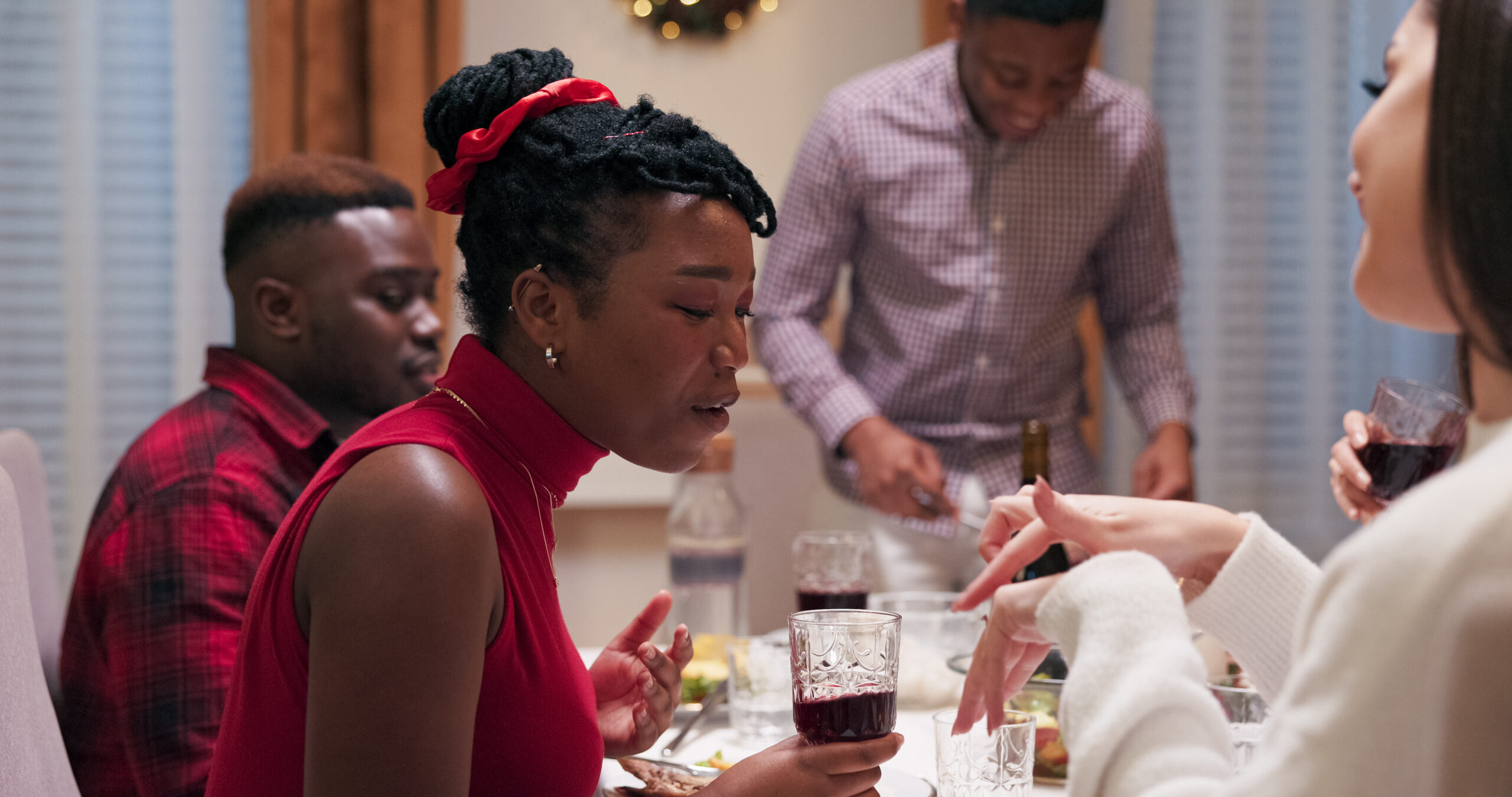
3. Trending Styles for 2026: Advantages & Disadvantages
Couples are moving away from restrictive formality and embracing themes that reflect their personalities. The setting should always feel intimate, regardless of the size.
Option A: The Elegant Plated Dinner (Traditional)
This classic choice mirrors a formal wedding reception, usually held at a high-end restaurant or private club. The primary advantage is its Sophisticated Ambiance, perfectly suiting a very formal wedding style and providing a sense of occasion. It also ensures Controlled Timing, as plated service keeps the evening tightly managed and ensures an earlier end time. The main drawbacks, however, are the High Cost—it is the most expensive option, requiring full service, linen, and staff for plating—and it allows Less Mingle Time, as guests are generally seated and unable to move around and chat freely.
Option B: The Interactive Food Stations (Modern)
Inspired by street food and global travel, this format uses small, customizable stations (like the Taco Bar or Pasta Station) for a more lively feel. This style offers a High Mingle Factor, encouraging guests to get up, socialize, and customize their food. It is also excellent for Customization, easily accommodating diverse dietary needs as proteins, sauces, and bases can be separated. On the flip side, the disadvantages include High Labor costs, as it requires more chefs and catering staff to maintain, monitor, and clean up the multiple stations. Furthermore, Mess and Flow issues can arise, as multiple lines and stations can lead to crowding and bottlenecks if the venue space isn’t large enough.
Option C: The Casual Comfort Night (Budget-Friendly)
This embraces low-key, high-impact comfort food, often held at a brewery, a rented AirBnB, or a family home (e.g., BBQ, Pizza Truck, or Gourmet Chili Bar). The benefits are significant: it’s Low-Stress and Personal, instantly putting everyone at ease and fostering genuine connection before the formality of the wedding day. It offers Maximum Savings, drastically cutting costs on catering, venue fees, and rentals, allowing the couple to save for honeymoon or photography upgrades. However, this option involves greater Logistical Complexity, as hosting at a private home requires significant self-management (rentals, setup, cleanup, insurance). Crucially, there is a Risk of Running Late because the relaxed atmosphere makes it harder for guests to leave, risking tiredness for the official wedding day.
The rehearsal dinner is your final moment as an engaged couple to fully embrace the excitement of your upcoming marriage, surrounded by the people who matter most. Choose a style that reflects your personalities, prioritize connection over formality, and let the gratitude shine through. That is the perfect recipe for starting your wedding weekend right.
Whatever you choose to do for your rehearsal soiree (or luncheon), remember there is no right or wrong. It’s a chance to look at logistics together as a family for one of the most important days of your life. Most importantly, it is a moment to be grateful and to bond.
Your Wedding Expert,
xoxo Nandini
For TastersHUB Catering and Events
“I would rather share one lifetime with you than face all the ages of this world alone.” – Arwen, Lord of the Rings