For decades, the standard wedding reception followed a predictable, binary script: “Chicken or Beef?” It was a safe, conservative approach designed to appeal to the broadest possible palate. However, as culinary culture becomes more globalized and health-conscious, a new protagonist has emerged at the center of the wedding plate. The pescetarian menu—once a niche request reserved for the lone cousin with a dietary restriction—is now taking center stage as a sophisticated, intentional choice for modern couples.
This shift isn’t just about offering a fish option; it’s about a fundamental reimagining of what a “celebratory” meal looks like. From the theatrical flair of live sushi stations to the surprising cost-efficiencies compared to premium beef, the emergence of the seafood-centric wedding menu is redefining the aesthetics and economics of the Ottawa wedding scene.
The Hook: Beyond the “Alternative” Option
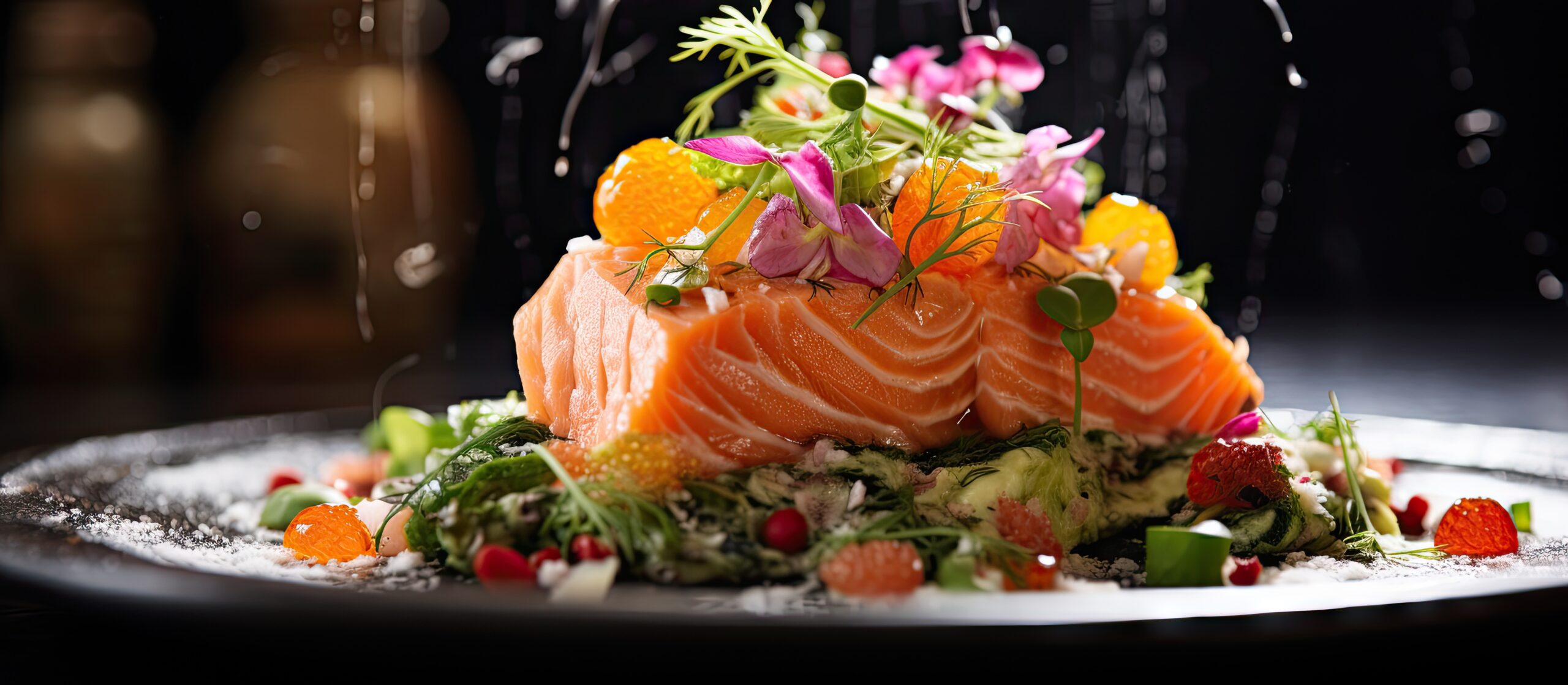
The rise of the pescetarian menu is fueled by a desire for lightness and longevity. Couples today want their guests to feel energized for the dance floor, not weighed down by a heavy, three-course steak dinner. Seafood offers a natural elegance that aligns perfectly with the “Modern Organic” and “Gallery Feel” aesthetics currently trending in event design. A beautifully seared piece of sea bass or a vibrantly colored tuna crudo isn’t just a meal; it is a visual component of the wedding’s design palette.
The Versatility of the Sea: Seafood, Fish, and the Art of the Catch
The primary strength of a pescetarian menu lies in its incredible diversity. While “beef” generally limits a chef to a few specific cuts (filet, ribeye, or short rib), the ocean offers a spectrum of textures, flavors, and preparation styles that can span an entire evening.
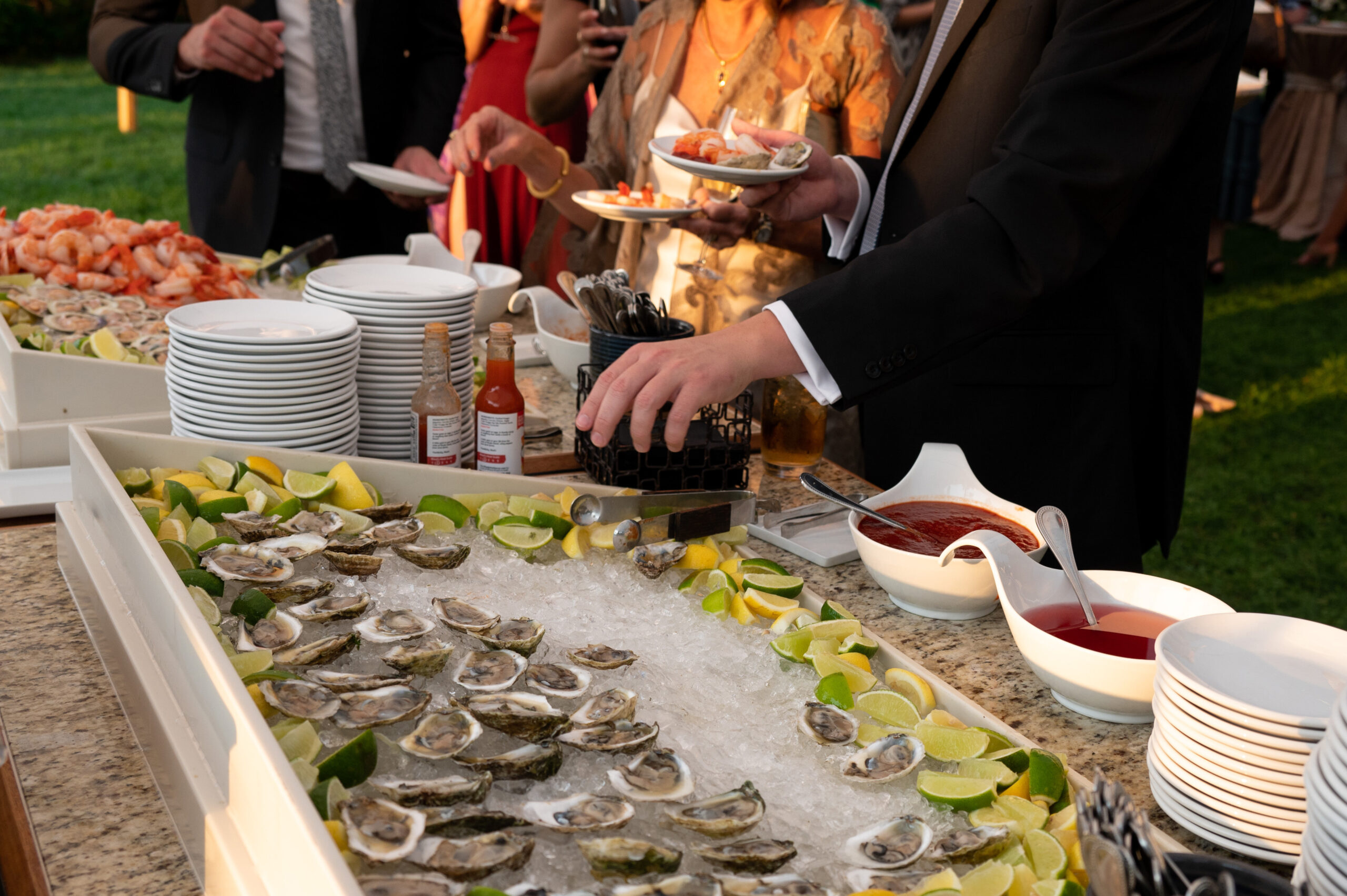
- The Artisanal Station: Instead of a traditional bread and butter service, couples are opting for “Coastal Stations.” Think of a curated raw bar featuring oysters from the Maritimes, chilled shrimp with house-made remoulade, and scallop ceviche served in individual shells.
- The Main Event: When it comes to the seated dinner, fish offers a versatility that red meat cannot match. A firm, meaty fish like Halibut can handle robust, earthy flavors, while a delicate Arctic Char pairs beautifully with citrus-forward, floral notes. These dishes allow for more creative “theatrical” plating—using vibrant purees, micro-greens, and edible flowers that might get lost next to a heavy peppercorn sauce.
The “Chef’s Table” Highlight: Sushi and the Tuna Revolution
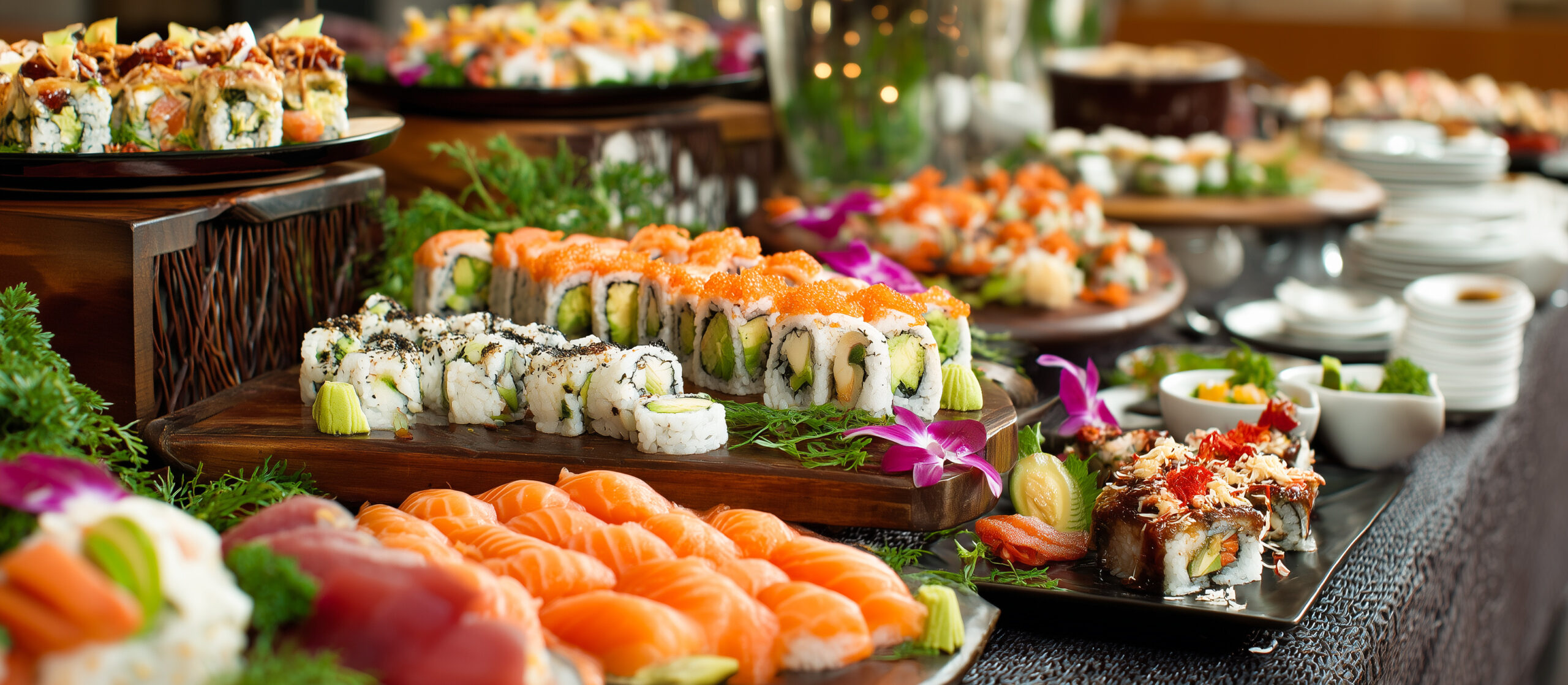
Perhaps the most significant driver of the pescetarian wedding trend is the integration of high-end Japanese culinary techniques, specifically focusing on Ahi and Bluefin Tuna.
Sushi has evolved from a trendy appetizer to a centerpiece experience. The “Chef’s Table” approach—where a master sushi chef prepares rolls and nigiri in real-time—provides the “intentional intimacy” and entertainment value that modern couples crave.
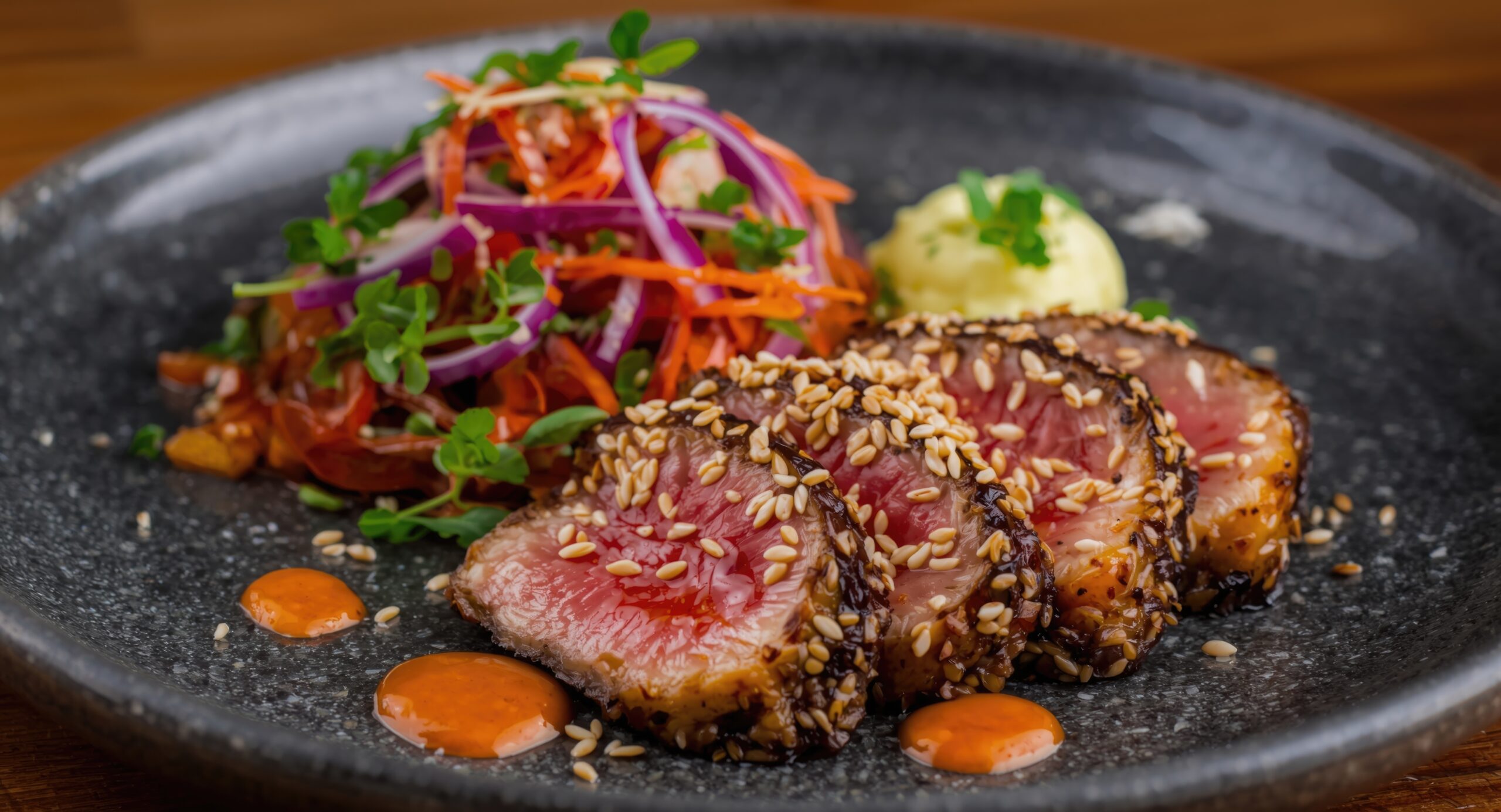
- The Tuna Narrative: Tuna is the “steak of the sea.” For guests who feel a wedding isn’t complete without a substantial, savory protein, a perfectly seared Ahi Tuna steak provides that familiar “meaty” satisfaction.
- Seasonal Fluctuations: While beef prices remain stubbornly high, seafood prices can be more elastic. Working with a caterer who understands local “catch of the day” logistics can significantly lower the price per head without sacrificing the luxury feel.
- Side Dish Synergy: Pescetarian mains often pair better with seasonal vegetables and grains (like saffron risotto or roasted root vegetables), which are more cost-effective to produce at scale than the heavy cream-based gratins and butter-laden sides traditionally served with steak.
| Feature | Premium Beef Menu | Modern Pescetarian Menu |
| Visual Appeal | Traditional/Heavy | Vibrant/Artistic |
| Guest Energy | High (Food coma risk) | Light/Energized |
| Cost Predictability | High/Static | Variable/Strategic |
| Theatrical Potential | Low (Carving station) | High (Sushi/Raw Bar) |
Intentional Intimacy: Why Guests Love the Change
Beyond the logistics and the costs, there is a psychological element to the pescetarian menu. It signals to the guests that the couple has put thought into the wellness of their attendees. In an era where many people are reducing their red meat intake for environmental or health reasons, providing a seafood-forward menu feels inclusive rather than restrictive.
It also changes the pace of the evening. A seafood meal is inherently slower; it’s meant to be savored. It encourages conversation and a longer, more relaxed dining experience. When you move away from the “meat and potatoes” archetype, you open the door for more experimental wine pairings—switching from heavy Cabernets to crisp Chablis, mineral-heavy Sancerres, or even premium Sakes.
Conclusion: A Legacy of Taste
The emergence of the pescetarian menu is not a fleeting trend; it is a reflection of the evolving “Wedding Edit.” It represents a shift toward quality over quantity and experience over tradition.
By investing in the culinary art of the sea—focusing on the theater of sushi, the richness of tuna, and the strategic affordability of the catch—couples are creating a legacy of taste. They are ensuring that their first meal as a married couple is not just a standard “banquet meal,” but a sophisticated, intentional reflection of their modern lifestyle.
For the couple planning their Ottawa celebration, the question is no longer “Should we offer fish?” but rather, “How can we make the sea the star of our show?”
What will be your ‘catch of the day’?
Happy planning!
Your Wedding Expert
xoxo Nindi for TastersHUB Catering & Events
“You can’t blame gravity for falling in love.” –Albert Einstein