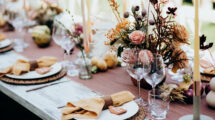
If you want to understand where a luxury wedding budget can quietly hemorrhage money, look directly at the center of the dining table. Floral decor costs can reach up to 15% of the total wedding budget for 5-star weddings. There is an undeniable heartbreak in signing a massive check for delicate, out-of-season imported blooms, only to watch them get dismantled and tossed into garbage bags the moment the band plays its final song.
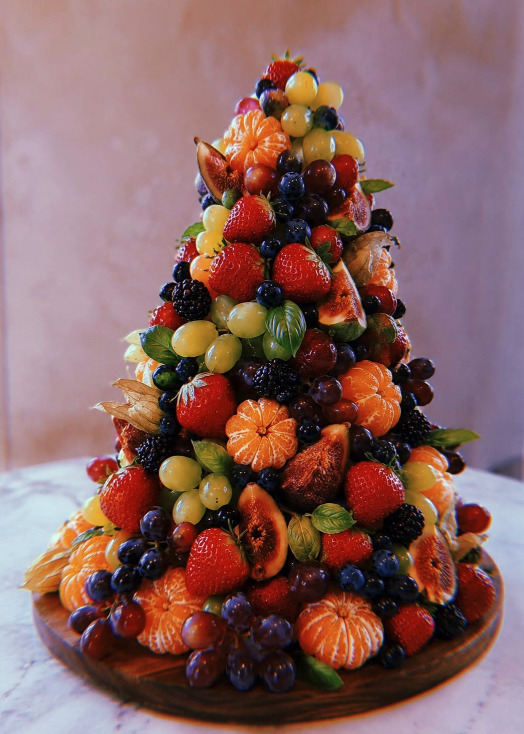
As we look toward the 2027 wedding season, visionary event producers are entirely rewriting the rules of reception aesthetics. The most striking, financially savvy trend taking over estate weddings and clear-span tents is the concept of “Smart Splendour”—specifically, the rise of the edible tablescape. By intentionally blurring the lines between the florist’s invoice and the caterer’s prep sheet, couples are discovering that utilizing fresh food as decor is the ultimate strategy for slashing rental bloat and controlling costs. Non-floral centerpieces trend strongly in 2026 and typically cost 30-50% less than fresh-flower arrangements.
The Economics of Edible Architecture
The secret to protecting your design budget lies in dual-purpose investments. When you transition away from obstructive floral towers and embrace an “edible still-life,” you are effectively consolidating two major line items: your floral design budget and your late-night catering budget. You are investing in one premium ingredient that fulfills both roles flawlessly.
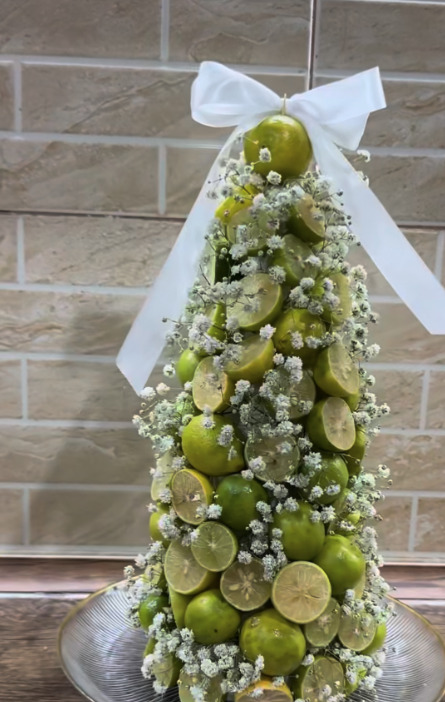
Imagine a serpentine table winding through a beautifully draped, moody reception space. Instead of traditional centerpieces, the table is lined with a continuous, lush runner of vibrant produce. The bold, golden hues of fresh Meyer lemons and limes, the deep, jewel-toned purples of whole eggplants, and the striking, organic reds of vine-ripened tomatoes create a breathtaking, highly tactile environment. This gallery-style aesthetic perfumes the air with natural, zesty aromas and commands attention. More importantly, purchasing seasonal, local produce in bulk costs a mere fraction of what it costs to import fragile, exotic flowers.
The Late-Night Flip: When Centerpieces Pay for the Snacks
The true financial brilliance of this zero-waste decor approach reveals itself after the formal dinner concludes. As guests head to the dance floor, the culinary team executes a seamless “flip.” The structural fruits and vegetables that anchored your tablescapes are gathered and brought back to the offsite kitchen tents for a theatrical culinary metamorphosis.
Those architectural lemons and limes that provided the vibrant yellow table runner? They are swiftly sliced to garnish craft cocktails or juiced on the spot for a zesty midnight margarita bar. You have completely eliminated the need to purchase a secondary, unseen batch of citrus for the mixologists. The romantic, moody eggplants and vine-ripened tomatoes are fire-roasted into smoky babaganoush and diced into fresh pico de gallo, becoming the starring ingredients of an interactive late-night taco stand. Your decor budget has quite literally funded and procured your midnight catering bill.
Rental Logistics and Hidden Savings
Embracing this zero-waste ethos extends beautifully into the hidden logistics of event rentals. Traditional, heavily layered tablescapes often require extensive, expensive rentals—chargers, multiple forks, secondary glassware, and endless ceramic plates. By embracing an edible, grazing-style atmosphere, you can streamline the table.
Furthermore, couples committed to zero-waste are increasingly turning to highly elevated, compostable service wares for their secondary stations. Modern sugarcane bagasse or pressed palm leaf plates offer a chic, organic look that aligns perfectly with luxury outdoor environments. By utilizing these planet-friendly options for the late-night food stations, you completely bypass the need to rent hundreds of extra ceramic plates. This not only saves on the initial rental invoice but entirely eliminates the hefty late-night cleaning and strike fees charged by rental companies to wash dishes at 1:00 AM.
Zero-waste event design proves that environmental responsibility and financial shrewdness are the exact same thing. By demanding that every element of your wedding works twice as hard, you can maintain a breathtakingly opulent atmosphere while keeping a firm, confident grip on your checkbook.
Navigating Ottawa’s Floral Pricing Tiers
When mapping out the decor budget for an Ottawa wedding, centerpiece costs are primarily driven by the volume, seasonality, and complexity of the designs. Centerpiece costs range from $20-95 per table (DIY) to $175-450 (professional florist) and $500+ for luxury installations.
- Minimalist & Bud Vases: A simple trio of bud vases typically costs around $95. A complete bud vase tablescape, incorporating candles and textiles, generally starts between $250 and $295 per table.
- Standard Arrangements: Small floral centerpieces often range from $55 to $125. Medium-sized or standard compote designs average $175 to $450.
- Elevated & Lush Installations: Tall, elevated centerpieces generally start between $450 and $650. For maximum impact, lush “flower cloud” tablescapes can run from $695 to upwards of $950 per table.
- Faux Rentals: High-quality silk floral rentals are an economical alternative, with standard faux centerpieces starting around $50 to $75.
When exploring options of edible tablescapes and centrepieces the ratio of these edible, dual-purpose elements with sparse, intentional floral accents to perfectly capture your desired aesthetic can be a perfect solution for both aesthetics and budgetary efficiency.
If you’re curious about how non-floral elements can shift your floral budget contact caterers specializing in offsite & custom catering like TastersHUB who can create a tablescape to suit your vision.
Happy Planning!!
Your Wedding Expert
xoxo Nindi for TastersHUB Catering & Events
“I don’t bite, you know… unless it’s called for.” —Audrey Hepburn as Regina Lampert Charade 1969