Elevating the Vegan Wedding Menu from Afterthought to Culinary Adventure
For decades, the appearance of the dreaded “V” on a wedding RSVP card signaled a quiet panic in the kitchen and a resigned sigh from the guest. Historically, the vegan alternative plate was an afterthought—a sad, uninspired stack of grilled portobello mushrooms, a profoundly dry vegetable risotto, or a haphazard collection of side dishes masquerading as a cohesive meal. It was the culinary equivalent of an apology. But in the realm of modern luxury event dining, that dark era is officially behind us.
 Today, a wedding menu is not merely a mechanism to feed a crowd; it is a canvas. It sets the tone, dictates the energy of the room, and acts as a profound reflection of the couple’s aesthetic and values. When couples approach a fully or partially plant-based menu not as a restriction, but as a boundless culinary expedition, they unlock a dining experience that thrills even the most devout carnivores in the room. This is no longer about offering a substitution or relying on heavily processed faux-meats to mimic the traditional “chicken or beef” options. It is about total culinary elevation. By introducing new foods, innovative plant-based proteins, and a completely fresh approach to event dining, you can captivate all your guests while deeply respecting the requirements of your vegan loved ones.
The Architecture of Produce: Crafting a Modern Organic Canvas
The journey begins with the visual impact. We feast with our eyes long before we pick up a fork, and the traditional beige-and-brown wedding plate does nothing to spark joy. Instead, we must look to the “Modern Organic” aesthetic, treating the dinner plate as a curated gallery installation. This philosophy relies on clean lines, intentional negative space, and architectural plating that highlights the sheer beauty of the ingredients.
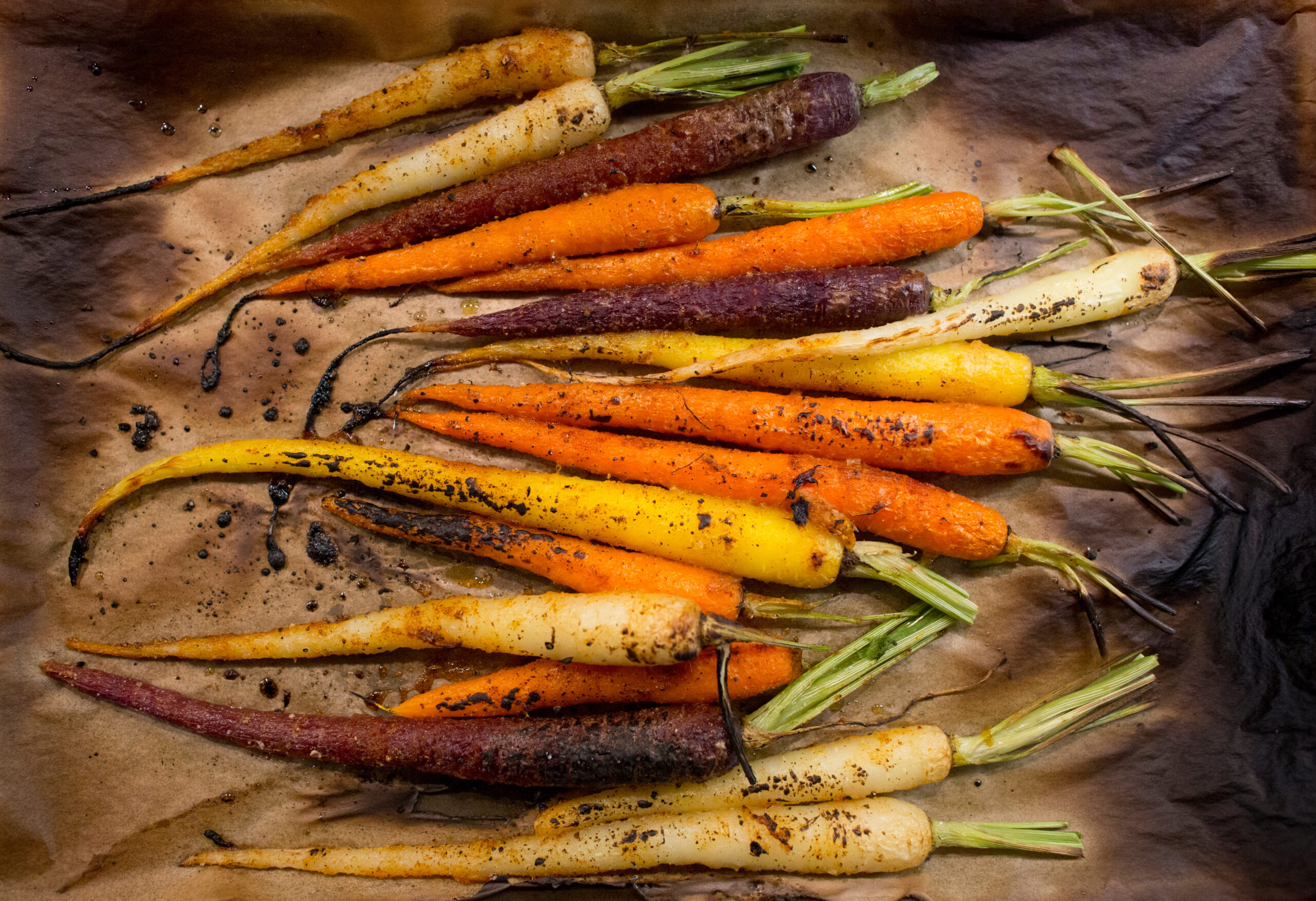
Imagine escaping the uninspired garden salad and instead opening the meal with a stunning, structural display of heritage produce. Picture fire-roasted heirloom carrots, glazed with a smoked maple and bourbon reduction, standing tall beside a sweeping, velvety swathe of silken parsnip purée. Consider the deep, jewel-toned hues of a Chioggia beet carpaccio, intricately layered with paper-thin radishes, drizzled with a vibrant basil-infused olive oil, and finished with the delicate crunch of toasted marcona almonds.
When a non-vegan guest is presented with a beautifully structured, vibrantly colorful dish that celebrates the natural geometry and texture of the harvest, they do not feel deprived of meat. They feel they are experiencing true haute cuisine. The focus shifts entirely to the exquisite interplay of textures—the crunch, the velvet, the snap, and the rich mouthfeel that comes from masterfully prepared vegetables.
The Theater of the Feast: Interactive and High-Drama Dining
High-end dining is inherently theatrical, and there is absolutely no reason the carving station should command all the excitement at a reception. To truly intrigue the uninitiated diner, introduce interactive, high-drama culinary moments that are entirely plant-based. Static food stations are a thing of the past; today’s luxury weddings demand movement, engagement, and a touch of performance art.
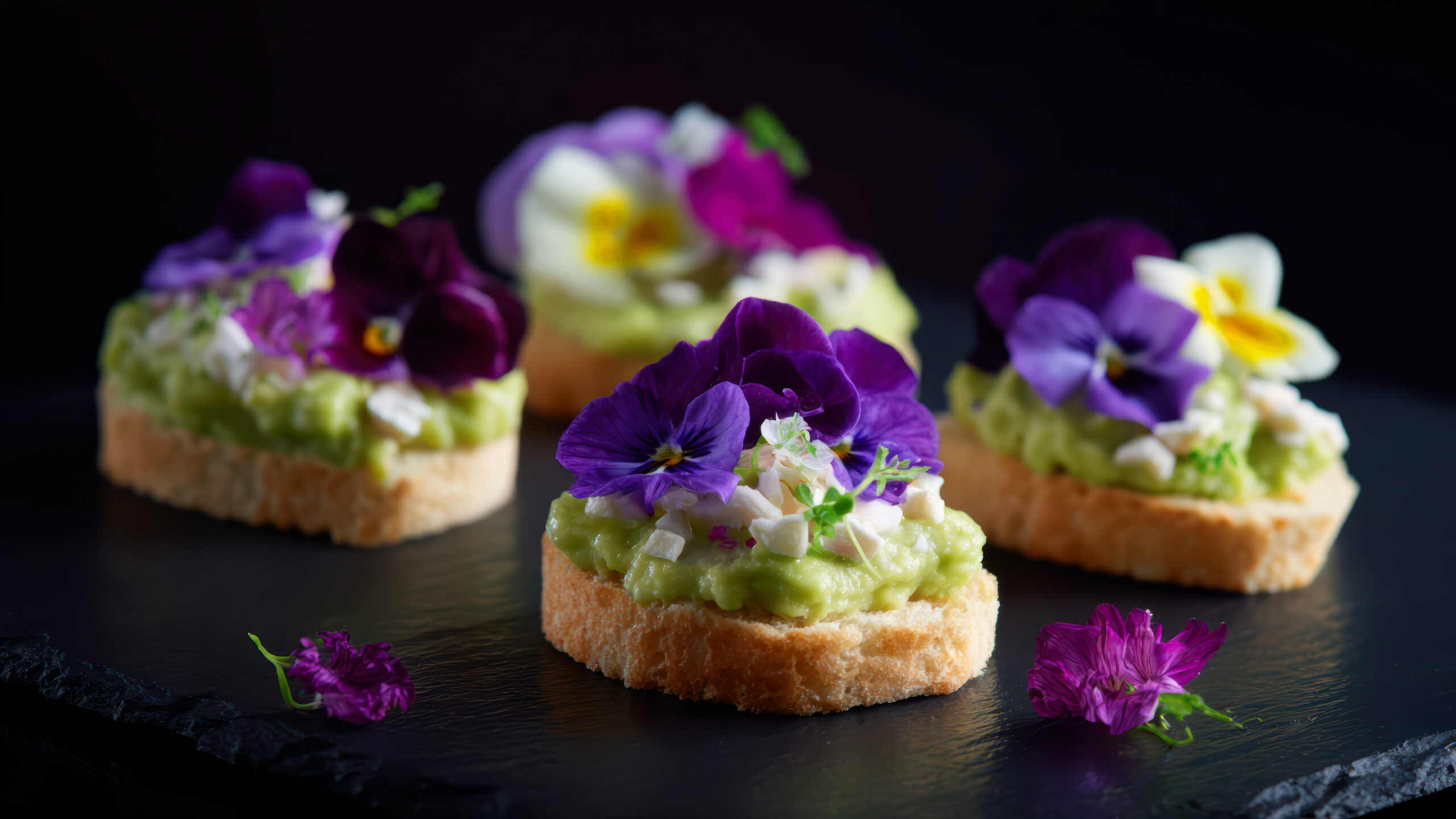
Imagine elevating the cocktail hour with an interactive “Botanical Bar.” Here, chefs construct delicate, savory cones filled with a whipped, herb-infused macadamia milk ricotta, delicately topped with edible micro-florals and balsamic pearls that perfectly mimic the luxurious pop of beluga caviar. Picture a roaming cart weaving through the reception, where a chef offers freshly shaved black truffles over a decadent, dairy-free wild mushroom and oat-milk risotto served in an oversized wheel of aged, plant-based parmesan.
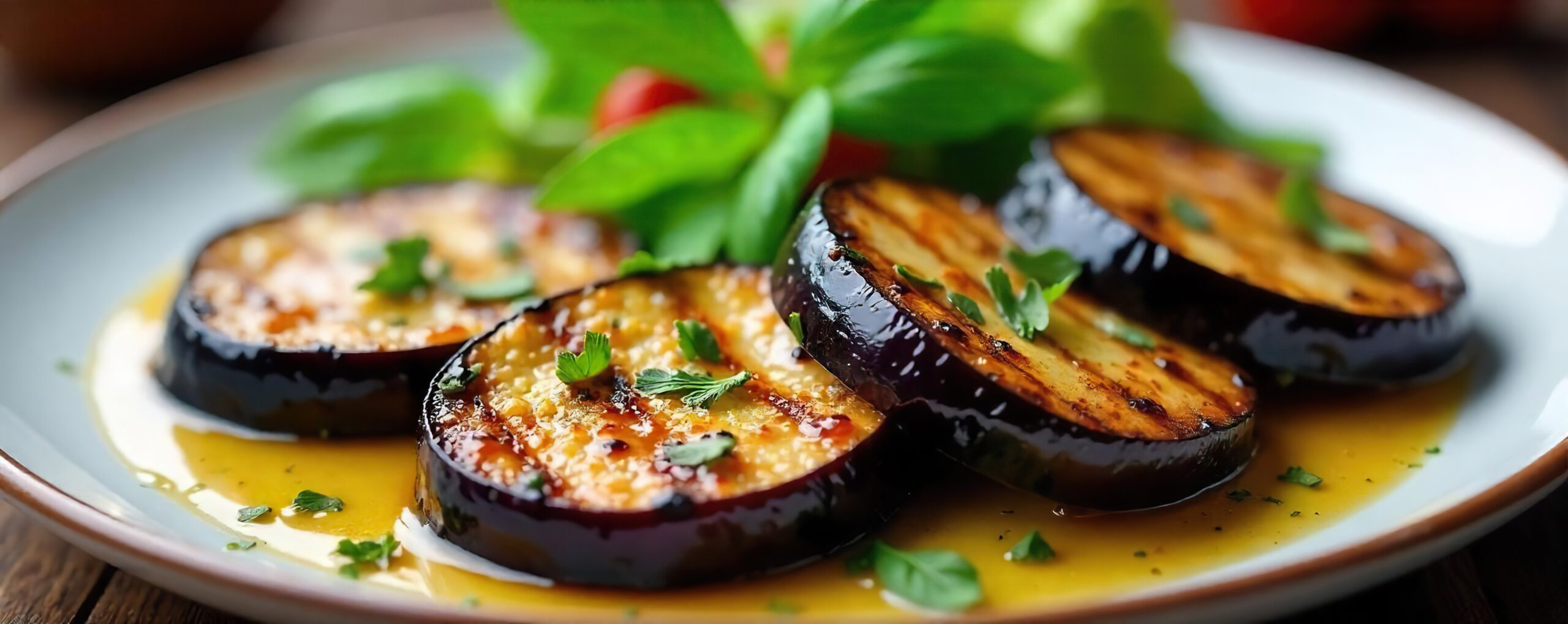
Or consider the sheer drama of fire and smoke. A live action station where thick-cut, miso-glazed eggplant steaks are charred with a culinary blowtorch right before the guests’ eyes, releasing an intoxicating, umami-rich aroma into the air. This kind of experiential dining commands immediate attention. It brings a level of sophistication and entertainment that completely transcends dietary labels, ensuring that the meal becomes a mesmerizing performance that guests will discuss for years to come.
 A Global Palette: Exploring Ancestral and Cultural Offerings
One of the most effective ways to captivate a non-vegan audience is to step away from Western culinary traditions, which often rely heavily on meat as the centerpiece, and explore the rich tapestry of global cuisines. In many cultures around the world, plant-based dining is not a modern lifestyle trend; it is a centuries-old, perfected tradition.
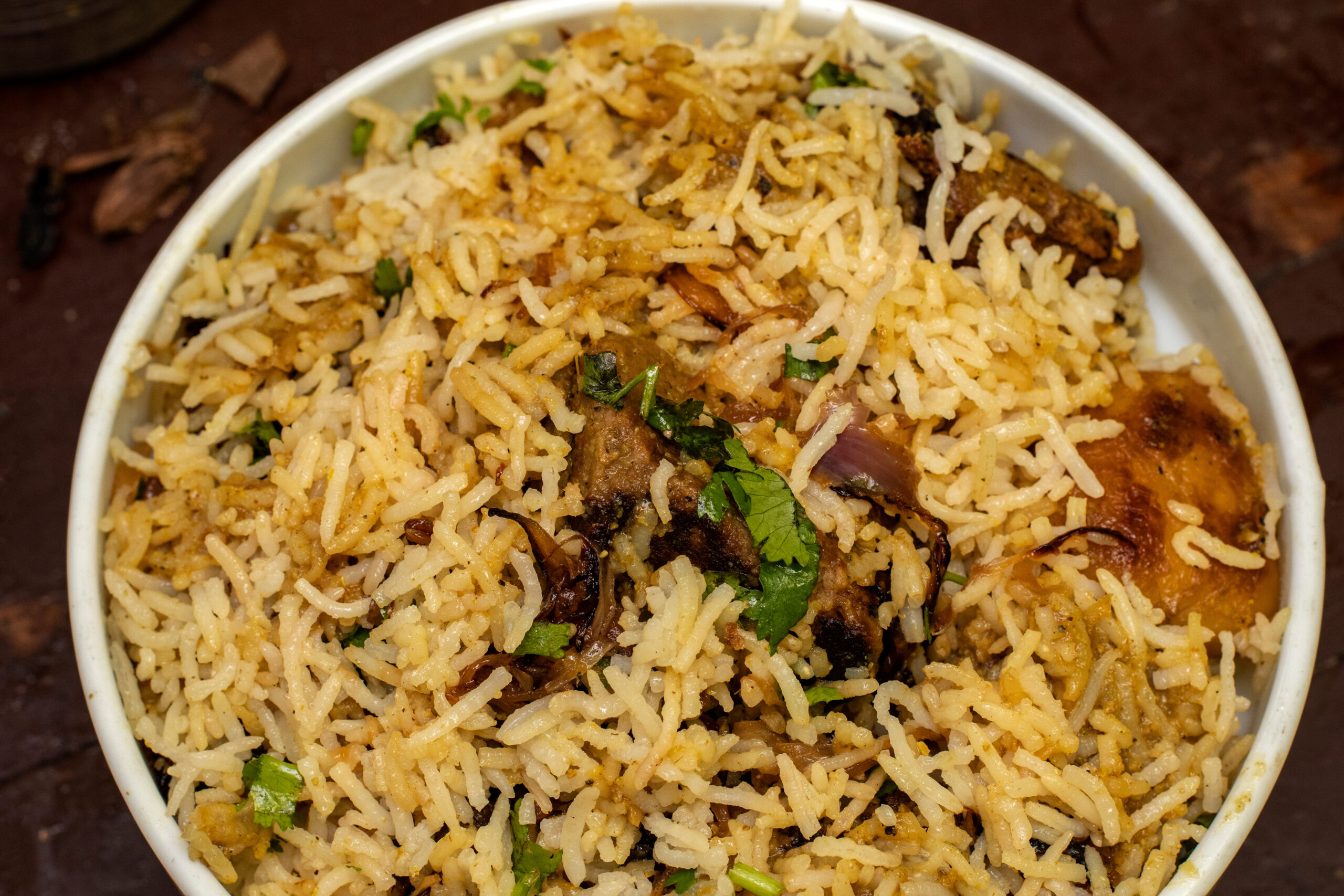
Rather than serving guests a scientifically engineered meat substitute, dive deep into the ancient spice routes. South Asian cuisine, for instance, offers an absolute masterclass in vegetarian depth and complexity. Treat your guests to the rich, aromatic warmth of a classic Bengali-style dal, slow-cooked to a creamy perfection using coconut milk and tempered with whole roasted spices. Offer a masterfully crafted jackfruit biryani, where the fruit is spiced and braised until it pulls apart with the exact tenderness and robust flavor of a slow-cooked meat.
 Look toward the Levantine coast and the Mediterranean for majestic, overflowing mezze presentations. Imagine tables laden with smoky, fire-roasted baba ganoush, vibrant and tangy muhammara crafted from roasted red peppers and walnuts, and crisp, herbaceous green falafel served alongside pillowy, wood-fired flatbreads. By embracing these global flavor profiles, you introduce non-vegan guests to a symphony of spices, ferments, and ancient techniques they may have never fully explored. You aren’t giving them a compromised “vegan version” of a familiar dish; you are offering them an authentic, robust cultural delicacy that just happens to be naturally free of animal products.
 The Protein Renaissance and the Mastery of Technique
For the skeptical omnivore, the lingering question is often about substance and satisfaction. But the culinary conversation around plant protein has evolved exponentially in recent years. We are no longer limited to standard, unseasoned blocks of tofu. Chefs equipped with classical, rigorous training are applying time-honored French culinary techniques to the plant kingdom with astonishing results.
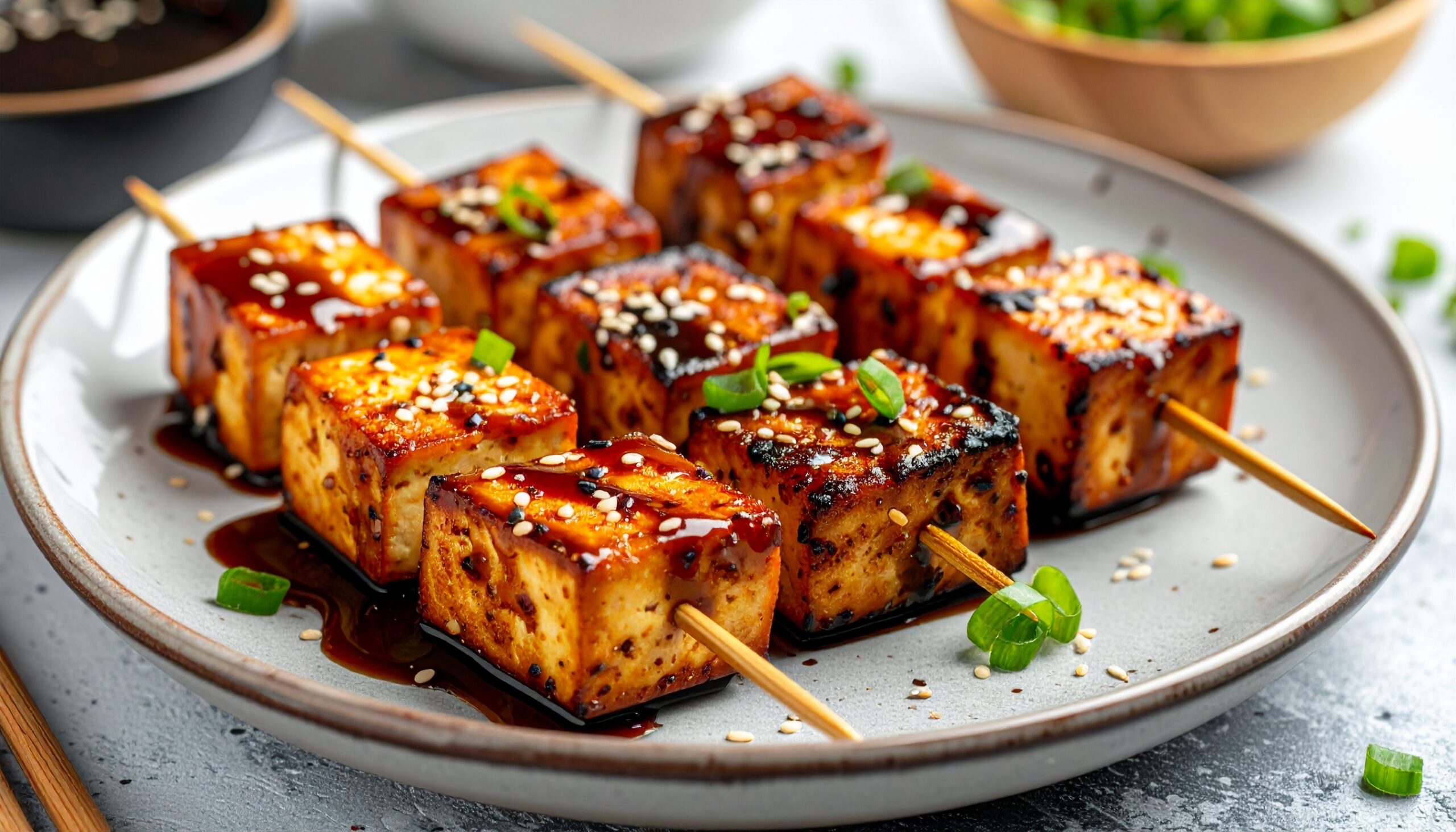 We are seeing the rise of indigenous pulses, heirloom legumes, and ancient grains taking center stage. Tempeh, when fermented to perfection and properly seared, offers a deep, nutty umami that effortlessly anchors a main course. Mushrooms are being utilized in revolutionary ways—consider the lion’s mane mushroom, which, when pressed and pan-roasted with fresh thyme and garlic-infused olive oil, sears and flakes with the exact delicate texture of a diver scallop.
Even the world of cheese, long considered the final hurdle for the plant-based dining experience, has been completely revolutionized. Artisanal, aged nut-cheeses have arrived on the luxury market. Washed rinds, ash-coated cashew bries, and incredibly sharp, complex almond cheddars are now gracing high-end grazing tables and pairing flawlessly with vintage, organically farmed wines. When you present a meticulously curated vegan charcuterie and cheese board—adorned with fresh seasonal figs, vibrant honeycomb alternatives made from reduced apples, and crusty, warm sourdough—it becomes an absolute showstopper that rivals any traditional dairy presentation.
The Ultimate Expression of Hospitality
At its very core, a wedding is a grand celebration of union, love, and profound hospitality. True hospitality means ensuring that every single person in the room feels deeply cared for, seen, and celebrated—not merely accommodated.
A thoughtfully designed, fiercely creative plant-based menu achieves precisely this. It is a bold, artistic statement that honors the ethical and dietary commitments of your vegan friends, while simultaneously taking your omnivorous guests on a joyous, completely unexpected culinary journey. It proves that luxury is not defined by the presence of a traditional tenderloin, but by the quality of the ingredients, the mastery of the technique, and the boundless creativity of the presentation.
When the final plate is cleared and the espresso is poured, the conversation among your guests will not be about what was “missing” from their dinner. Instead, they will be recounting the magnificent, wildly flavorful, and stunningly beautiful new world they just discovered at your table. And that, truly, is the ultimate mark of an unforgettable wedding feast.
A Vegan menu doesn’t equate to boring. Make it fun and have an adventure customizing it to be yours!
Happy planning!
Your Wedding Expert
xoxo Nindi for TastersHUB Catering & Events
“You’re still the one I run to, the one that I belong to. You’re still the one I want for life.” Shania Twain